Old House Plumbing in Clayfield
Timber stumps, tin roofs and pre-war service lines: old house plumbing in Clayfield is its own trade, and we treat it that way. Our licensed plumbers work on homes from the Federation era through to the walk-up blocks, and we tell you what you have before we touch it.
If we're late, $100 comes off your bill

- Licensed and InsuredEvery job done by a licensed plumber. QBCC No: 15024607
- Fixed Quote FirstFlat-rate pricing, agreed before any work starts
- Lifetime Labour WarrantyBacked by our Fix-It-or-It's-Free guarantee (T&Cs apply)
- $0 Call-Out FeesNo extra charge for nights, weekends or public holidays

If you want the full picture of what we do around Clayfield, this page covers the older side of it: the signs to watch, the materials that cause grief, and the paperwork a renovation triggers.
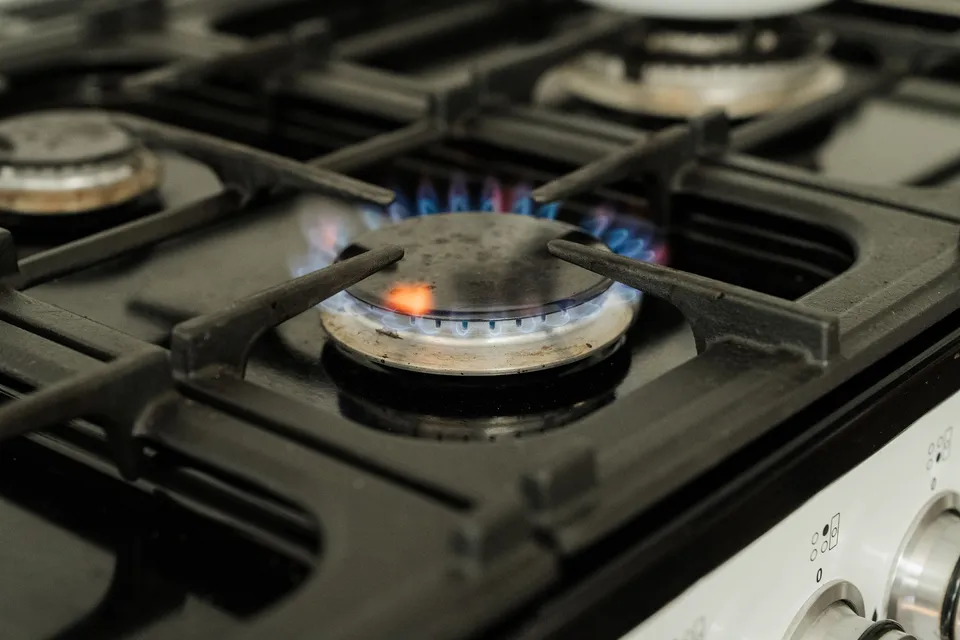
Signs of Trouble in Old Pipework You Can See
In a stump-founded home, the supply, waste and gas pipework usually sits in the open subfloor space, where you can inspect it from below. In a slab build, the same lines hide in or under the slab and within the walls. Either way, trouble leaves marks you can spot without opening anything:
- Wet or soft soil directly under a run of pipe
- Drips or white crust at joints and fittings
- Rust marks along pipes and around connections
- Timber that looks damp, stained or slightly soft
- A musty smell under the house that never quite leaves
Two or three of those together point to a slow leak rather than a one-off. Our leak detection work traces it before it rots a stump or a floor frame.
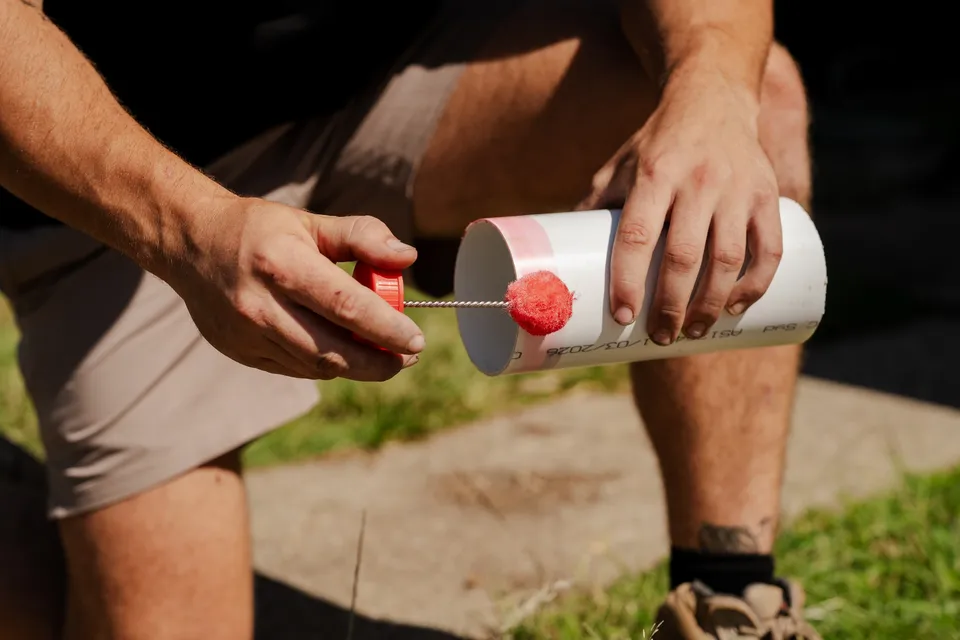
Galvanised Pipes and the Signs They Are Failing
Galvanised steel pipe is steel wearing a zinc coat. Once the coat wears through, the steel corrodes from the inner face outward, and the signs follow: discoloured water, poor flow, or drips that return to the same stretch again and again.
The other age marker sits in the joints. Solder containing lead was still joining brass and copper across Australia until 1989, so a home plumbed before then deserves a close look at its service lines.
None of this means an automatic replumb. We confirm the material and its state on site, then talk you through the options on our repiping page.

Before You Open Up the Walls of an Old House
Most renovation plumbing in an older home counts as notifiable work in an existing building. A licensed plumber does it without a council permit, and a Form 4 goes to the QBCC once the job is done. The Regulation calls a building existing when it has drainage as well as a water supply, which covers nearly every house in this suburb.
A few triggers change the picture:
Permit work
Adding an appliance or fixture to a building on a combined drain, or one with a dual reticulated water supply, means the plumber applies to council first.
Temperature control
Every new or swapped water heater needs a temperature control device holding tap water at 50°C or below, and a new hygiene fixture such as a shower calls for one too. Swapping a washer or a shower head does not.
Asbestos
Most houses built before 1990 contain some, so a reno on one needs extra precautions and can cost more.
Old permits
A permit attaches to the premises, so one from earlier work still binds you, any later owner, and any occupier.
Curious about what previous owners did? An address search on the QBCC's notifiable work register shows past jobs, and you can request a copy of any Form 4 you never received.
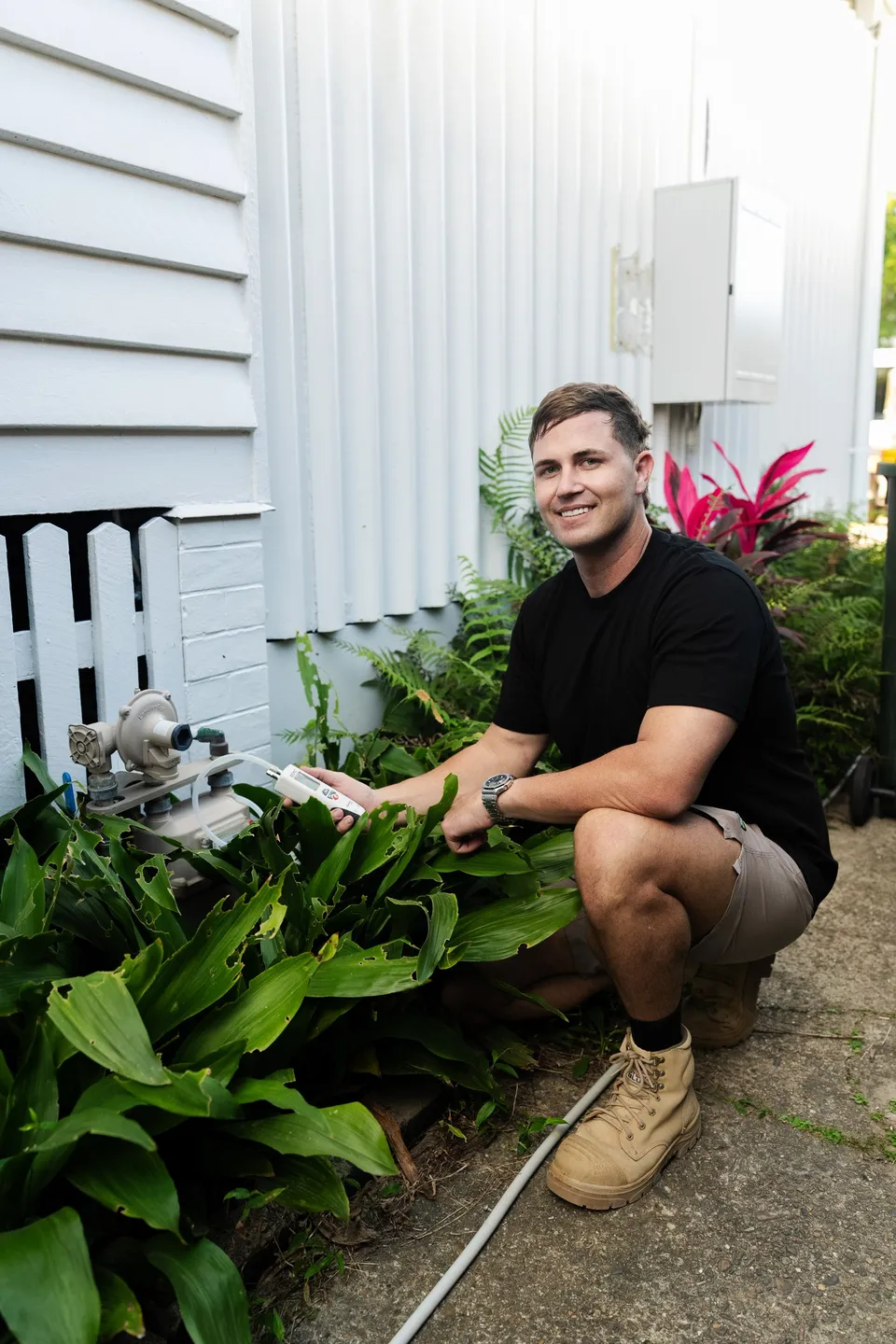
Old Gas Fittings and Who May Touch Them
Only a gasfitter holding the right licence can install, change, repair, service or test gas lines and their connections. Queensland's advice asks owners to check their systems often for rust, wear or damage. The state's gas rules also require a worker who spots a safety problem on a job to give the owner a defect notice, unless the fault is fixed on the spot.
Smell gas? Switch the appliance off, air the house through doors and windows, and leave every electrical switch alone. If the smell lingers, shut the supply at the meter or cylinder, and call 000 if it will not clear.
The certificate side of gas work lives on our gas compliance certificates page.

What Clayfield's Older Housing Means for Pipes
The public mains under the suburb are cast iron, from the era when a galvanised steel service line ran to most front doors. So the older places here are exactly where we look for that material first.
Under the yards, the story continues. Many blocks still hold glazed earthenware drains laid when the house was built, and the ridge's reactive clay pulls those old joints apart a little more every dry spell.
With roughly 1039mm of rain in a typical year, mostly landing in the storm months, that shrink-and-swell cycle never sits still. It is why an old drain here blocks in the same spot each winter, and why we check the ground conditions as well as the pipes.
How We Work on Older Homes
- 1

Tell us what's happening
Call (07) 3524 7163 or send the form with a few details about the problem in Clayfield. A clear description helps us bring the right parts.
- 2

We inspect what the house was built with
We get under the floor or into the wall cavity, identify the pipe materials and their state, and map what a repair or renewal needs before quoting anything.
- 3
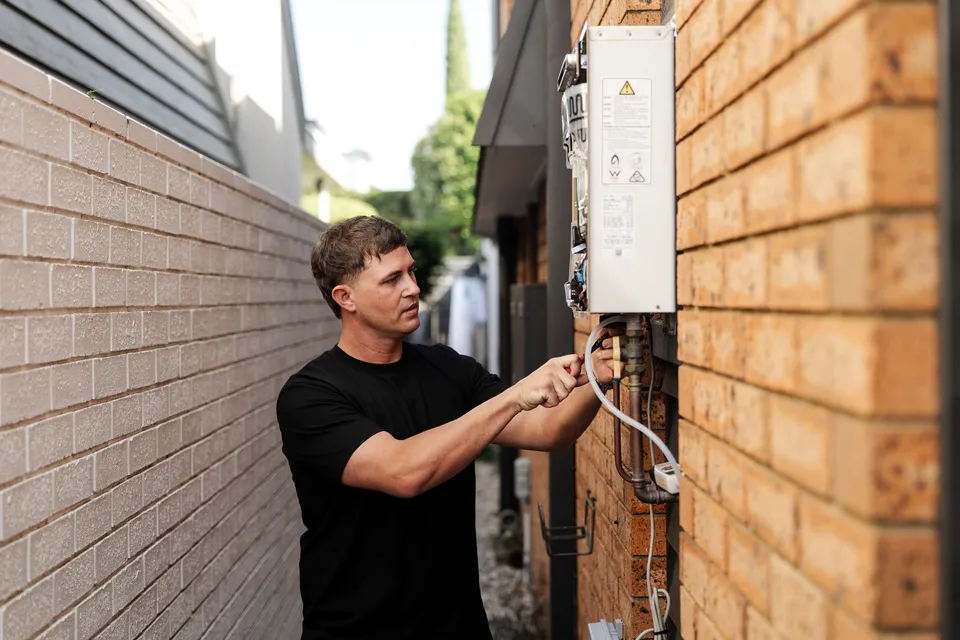
Approve a fixed price
You get a fixed quote before any work starts, with flat-rate pricing and no hidden fees. Nothing goes ahead until you say yes.
- 4

Pay when it's finished
Pay by card or EFTPOS on site once the job's done, or ask about Fix now, pay later.
Plumbing job in Clayfield?
$0 call-out fees, available 24/7, and same-day where we can.
Older Home Plumbing Questions
Call (07) 3524 7163What's different about plumbing in an older Clayfield home?
Age and alteration. The pipes have been worked on by several generations of trades, the runs sit under stumps rather than inside walls, and materials like galvanised steel and earthenware drains behave differently to modern PVC. A plumber checks what you have before advising anything.
Where do the pipes run in a timber house on stumps?
Under the floor. Water, drainage and gas lines usually cross the open subfloor space, in plain view from below. In a slab home, much of the network sits buried in the slab or inside wall cavities, so reaching it means opening finishes.
Do Clayfield homes have galvanised water pipes?
Yes, many older ones do. The suburb's street mains are cast iron, from the era when a galvanised steel service line ran to most front doors, so a pre-war place may still carry it. We confirm what your home actually has before recommending anything.
Does renovating my Clayfield home need a plumbing permit?
No, not usually. Most plumbing in an existing building is notifiable work, which means no council permit, and your plumber lodges a Form 4 with the QBCC. A permit applies only when the building shares a combined drain or runs on a dual reticulated water supply.
Can I find out what plumbing work was done before?
Yes, you can. Search your address on the QBCC's notifiable work register and request a copy of a Form 4 for work at the property. Any permit from earlier work attaches to the premises, so it still binds you as the current owner.

Call Us About Your Older HomeWe'll call you back.
Phone (07) 3524 7163 for a licensed plumber in Clayfield. We work under QBCC No: 15024607, with flat-rate pricing, no hidden fees and same-day where we can.
To claim your $0 call-out fee, call (07) 3524 7163 today.